Summary Moody’s raised Pakistan’s sovereign rating to B3 from Caa1, highlighting stronger governance, reduced external pressures and improved debt affordability while retaining a stable outlook.
ISLAMABAD (Web Desk) – Pakistan received another boost to its economic credentials on Monday as international ratings agency Moody’s raised the country’s sovereign credit rating by one notch to B3 from Caa1, reflecting an improvement in its financial and external risk profile.
Moody’s also kept Pakistan’s rating outlook at stable, suggesting that risks to the country’s creditworthiness are broadly balanced under current economic conditions.
The ratings agency attributed its decision to progress in governance and a decline in external vulnerability risks, alongside an improvement in the government’s capacity to manage its debt burden.
Moody’s expects the recent gains in Pakistan’s debt affordability to hold over time, provided the country maintains macroeconomic stability.
“We expect the recent improvement in Pakistan’s debt affordability to be durable, underpinned by sustained macroeconomic stability,” the agency said.
The upgrade represents an important improvement in Pakistan’s standing among international creditors and comes amid signs that global ratings agencies are taking a more favourable view of the country’s economic trajectory.
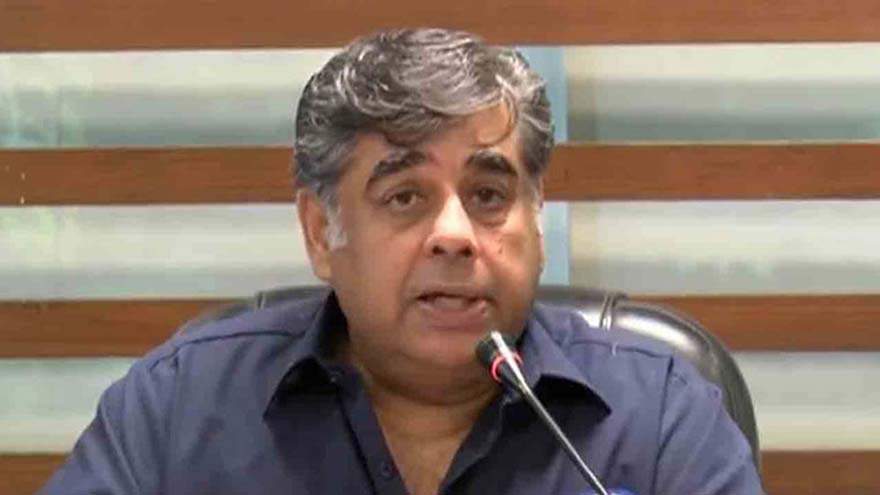
Adviser to the Finance Minister Khurram Schehzad announced the development on social media platform X, highlighting that Moody’s had followed another major ratings agency in upgrading Pakistan.
“After S&P, Moody’s also upgrades Pakistan Sovereign Ratings to B3 from Caa1,” Schehzad wrote.
The Moody’s decision follows an upgrade by S&P Global Ratings around a month earlier. S&P raised Pakistan’s long-term sovereign credit rating to B from B-, while assigning a stable outlook.
S&P had linked its assessment to Pakistan’s strengthening external position and gradual progress towards broader macroeconomic stabilisation.