


Thai lawmakers to vote for a new prime minister as candidates promise an early election
World
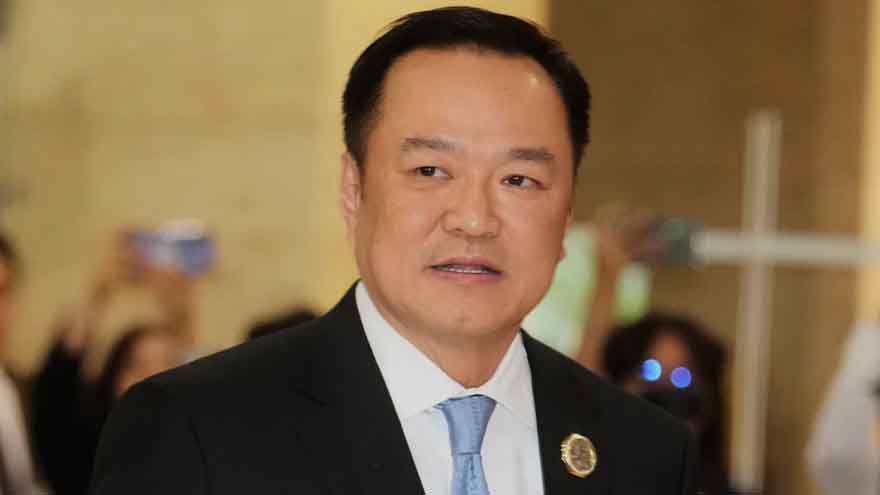
Anutin said he has secured 146 votes from his own party and its allies

BANGKOK (AP) — Thai lawmakers met to select a new prime minister Friday as major parties made competing promises to soon dissolve Parliament and call an election as a way to resolve the country’s political crisis.
Only five candidates, nominated during the last general election in 2023, are eligible under Thailand’s constitutional rules. Anutin Charnvirakul, leader of the Bhumjaithai Party, seemed the most likely candidate to secure the job.
The Constitutional Court last week dismissed Paetongtarn Shinawatra as prime minister for breaching ethics laws in a phone call with Cambodia’s Senate President Hun Sen about tensions over competing claims along their border.
The dispute erupted into a deadly five-day armed conflict in July.
Anutin and Pheu Thai Party candidate Chaikasem Nitisiri were officially nominated for the vote. They would need at least 247 votes to win the House majority.
Pheu Thai, currently leading a caretaker government, attempted to dissolve Parliament on Tuesday, but the acting prime minister said their request was rejected by the king’s Privy Council.
Former Attorney General and Justice Minister Chaikasem said Thursday that if he is elected, he will dissolve the house as soon as he delivers his inaugural speech to Parliament.
Anutin said he has secured 146 votes from his own party and its allies, while the People’s Party said its 143 lawmakers will also support him, easily exceeding the 247 majority he needs out of the 492 House members currently serving.
The 58-year-old Anutin had served in the Pheu Thai-led coalition government that took power in 2023 and before that in the military-backed but elected government under former Prime Minister Prayuth Chan-ocha.
Anutin is best known for successfully lobbying for the decriminalization of cannabis, a policy that is now being more strictly regulated for medical purposes. He also played a high-profile role as health minister during the COVID-19 pandemic, when he was accused of tardiness in obtaining adequate vaccine supplies to fight the virus.
