Summary Says govt shielded the public from fuel shortages and mitigated impact of global oil crisis through timely, proactive measures
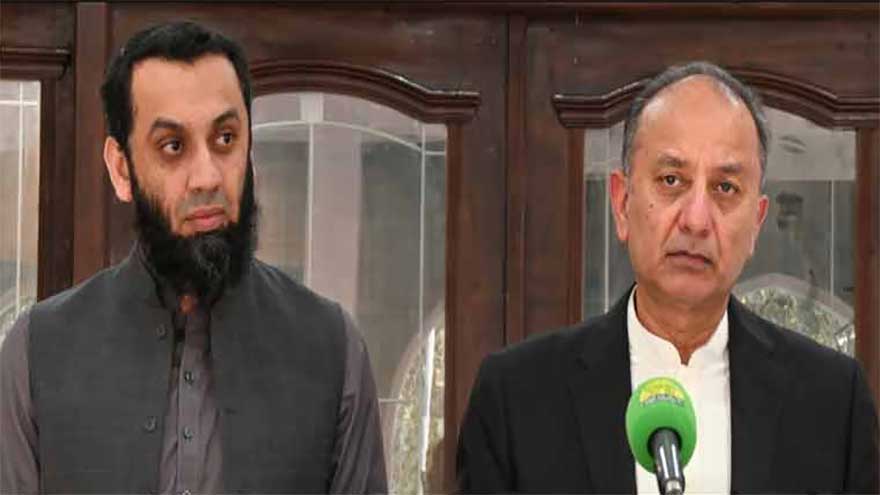
LAHORE (APP) - Federal Minister for Information and Broadcasting Attaullah Tarar and Federal Minister for Climate Change Dr Musadik Malik said on Saturday that the government successfully shielded the public from fuel shortages and mitigated the impact of the global oil crisis through timely and proactive measures.
Speaking jointly here, they said that despite severe international challenges, the government ensured uninterrupted fuel supply and took decisive steps to protect citizens from the worst effects of rising oil prices.
They said subsidies were provided for bus fares, motorcyclists, trucks, and other goods transport to prevent a sharp rise in the cost of essential items like fruits, vegetables, wheat, and rice.
They acknowledged that even with these efforts, ordinary citizens continue to feel the impact of inflation and high fuel costs. “With a heavy heart, we reiterate that while the government is doing everything possible, the impact is still being felt by ordinary citizens,” they said.
They emphasised that protecting the dignity and savings of every citizen, especially the most vulnerable, remains the government’s top priority, and all possible measures are being taken to provide relief and ease financial pressure.
Federal Minister for Climate Change Dr Musadik Malik highlighted that approximately Rs129 billion was spent to stabilize fuel prices, sourced through development funds and savings rather than irresponsibility.
He explained that government austerity measures included reducing fuel usage by 50 percent, shutting down 60 percent of official vehicles, cutting ministers’ salaries, and reducing development expenditures.
He said that the Prime Minister Shehbaz Sharif made a conscious decision to pass the increased cost of oil only to those who can afford it, protecting farmers, laborers, students, and public transport users.
Subsidies were provided for bus fares, motorcyclists, trucks, and other goods transport to prevent a sharp rise in the cost of essential items like fruits, vegetables, wheat, and rice.
Dr Malik further explained that recent steps, including reducing the petroleum levy by Rs80, lowered petrol prices from Rs458 to Rs378 per liter, and with additional subsidies, motorcyclists pay an effective price of Rs278 per liter.
He said that the government continues international diplomatic efforts while urging citizens to conserve fuel and energy.