


Pakistan calls for immediate end to escalation in the Middle East at UNSC
Pakistan
The UN chief urged all sides to reduce tensions and return to diplomatic engagement and meaningful negotiations.

(Web Desk) - Pakistan has cautioned the United Nations Security Council that the collapse of diplomatic efforts in the Middle East is making the already complex Iranian nuclear dispute even more difficult to resolve.
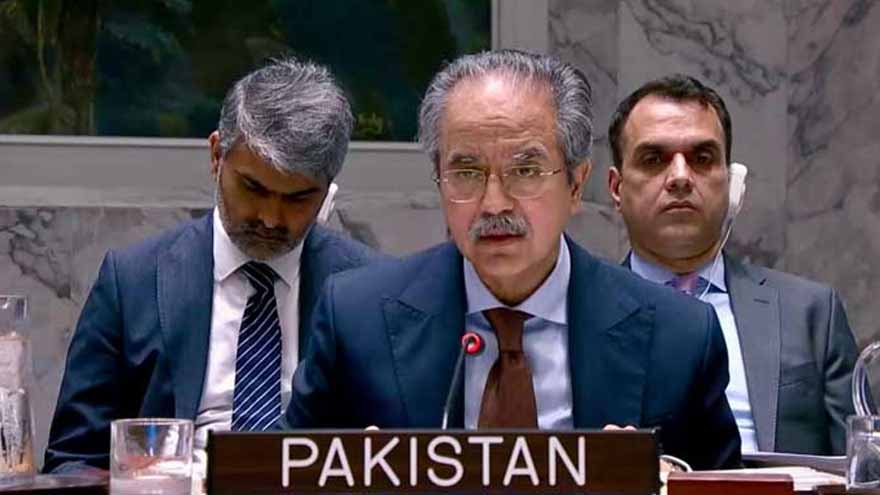
Speaking during a Security Council briefing on the committee monitoring sanctions related to Iran’s nuclear programme, Pakistan’s Permanent Representative to the UN, Asim Iftikhar Ahmad, said divisions among council members were affecting the effective functioning of the body.
He noted that the council remains split over matters related to the committee established under United Nations Security Council Resolution 1737 Committee. According to him, disagreements have delayed the appointment of chairs for several subsidiary bodies, which is slowing down their work and limiting their ability to carry out assigned responsibilities.
Ambassador Ahmad stressed that political disagreements within the council should not interfere with its routine operations. He added that the inability to reach consensus on certain reports had contributed to the need for the current discussion.
The committee referenced during the meeting was created following the adoption of United Nations Security Council Resolution 1737, which placed sanctions on Iran in response to concerns about its nuclear activities. The committee reviews reports from the International Atomic Energy Agency and monitors whether countries and individuals comply with the sanctions regime. It also evaluates exemption requests, designates sanctioned entities, and regularly updates the Security Council on developments.
The debate took place at a time when tensions in the Middle East have been increasing. António Guterres warned that the ongoing crisis represents a serious threat to global peace and stability. He said the escalating situation has already caused significant suffering among civilians and could potentially trigger a wider regional conflict if the situation continues to deteriorate.
The UN chief urged all sides to reduce tensions and return to diplomatic engagement and meaningful negotiations to prevent further escalation.
Humanitarian agencies working with the United Nations have also raised concerns about the growing impact of the conflict on civilians. According to their assessments, more than 1,100 children have been killed or injured as a result of the ongoing hostilities, while millions of others are facing displacement and disruptions to their education.
Ambassador Ahmad also referred to recent attacks targeting Iran, describing them as unjustified actions that have further complicated diplomatic efforts related to Tehran’s nuclear programme.
Despite the current crisis, he reaffirmed that the framework established by the Joint Comprehensive Plan of Action and the consensus adoption of United Nations Security Council Resolution 2231 remain relevant.
He emphasised that the nuclear agreement represented a significant achievement of diplomacy and provided a structured pathway for addressing international concerns through dialogue and reciprocal commitments.
Reiterating Pakistan’s stance, the ambassador condemned attacks on civilian infrastructure and strikes on nuclear facilities operating under international safeguards. He warned that targeting such installations could lead to severe environmental and safety consequences for both local populations and the wider region.
Ahmad also stressed the importance of protecting the verification work of the International Atomic Energy Agency, stating that the agency must be allowed to continue its monitoring activities in Iran without interference.
Referring to United Nations Security Council Resolution 2788 adopted last year, he urged the council to revive the spirit of the UN Charter and prioritize diplomatic solutions in order to prevent further escalation in the region.
