Summary Opposition claims that this amendment tends to ‘bury the constitution of Pakistan’
By Muhammad Shaheer
It is not unprecedented that Pakistan once again finds itself subdued by political and constitutional crisis. The country has seen martial laws, political instability, terrorism, chaos, economic depression, liberation movements.
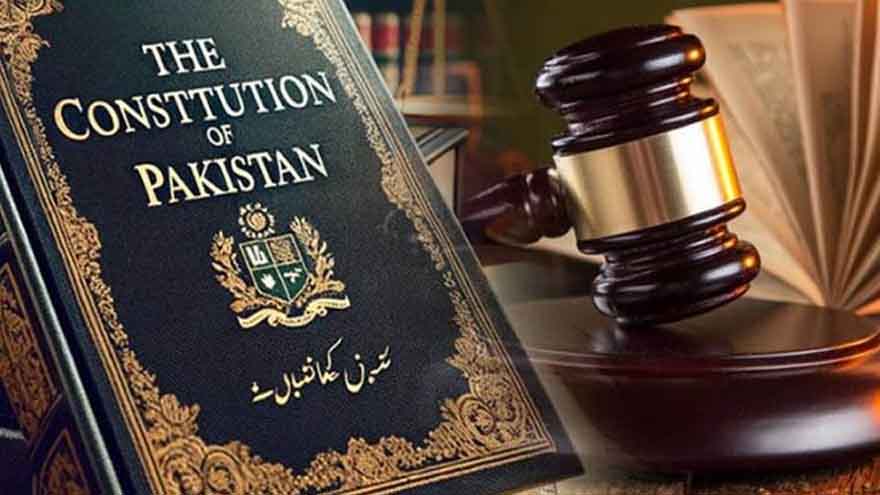
The last constitution which Pakistan adopted was the 1973 Constitution, drafted under the then Prime Minister Zulfikar Ali Bhutto. This constitution was widely considered to be the first unanimous constitution of Pakistan because it was widely consensus based and all the parties of that time signed on its implementation, whether they were secular groups or religious ones. It indicated the unity of the nation. Moreover, it was implemented in a democratic way, not under any military rule like the one of Ayub Khan in 1962. So, the public of Pakistan reposed their faith in it.
Though it has become the longest lasting constitution of Pakistan, it still has undergone many major changes influenced by the military coup of General Pervaiz Musharraf in 1999 and then the restoration of democracy in 18th Amendment, 2010. A total of 26 Amendments have been made in the constitution of 1973.
The most recent progress was made when the highly speculative 27th Amendment was tabled in the Senate of Pakistan on 10th of November, 2025 and was passed by the Senate with a majority of two-third. The opposition, as usual walked out of the senate without casting a single vote against the proposed draft.
The opposition claims that this amendment tends to ‘bury the constitution of Pakistan’. Usually we can disregard the behavior of opposition not aligning with government on the proposed matter, especially in a country like Pakistan. But when we look into the proposed provisions of the amendment, there are some really questionable clauses that even a lay citizen of the state shall find skeptical. The main proposed provisions are,
• The formation of Constitutional Courts (the judicial power of SC is undermined, but still seems constitutional)
• Change in NFC Award (provinces are insecure about reduced sharing of revenue)
• Judicial Transfers (Alarming, damages the independence of Judges and allows political pressure on judges influencing their decisions)
• Change in Military Structure
The public has lost faith in not only the government but maybe even the framework of democracy on how it is being practiced in Pakistan. The amendments, drafts, proposals are undebated, questions go unanswered like if something is forcefully being implemented.
The public has been traumatized enough to not concern themselves about what is happening politically, nationally, constitutionally, they have been bewildered enough to just care about their bellies. Though there are objections to all of them being constitutionally unfair and inapplicable, but the restructuring of the Military Structure in such a hurried manner speaks volumes about the compulsions of ruling alliance which otherwise will fall like ninepins.