


Punjab government bans incentives for clerics spreading anti-state messages
Pakistan
Punjab has introduced a zero-tolerance policy against clerics spreading anti-state messages, suspending government incentives for violators while continuing support for law-abiding religious scholars.

LAHORE (Web Desk ) – The Punjab government has decided to stop providing official incentives to religious scholars who make statements against state policies and to take strict action against them.
The decision comes under a zero-tolerance policy against hate speech and anti-state activities. The policy mandates the immediate suspension of any honorarium for clerics promoting messages against the state, with strict penalties for violations.
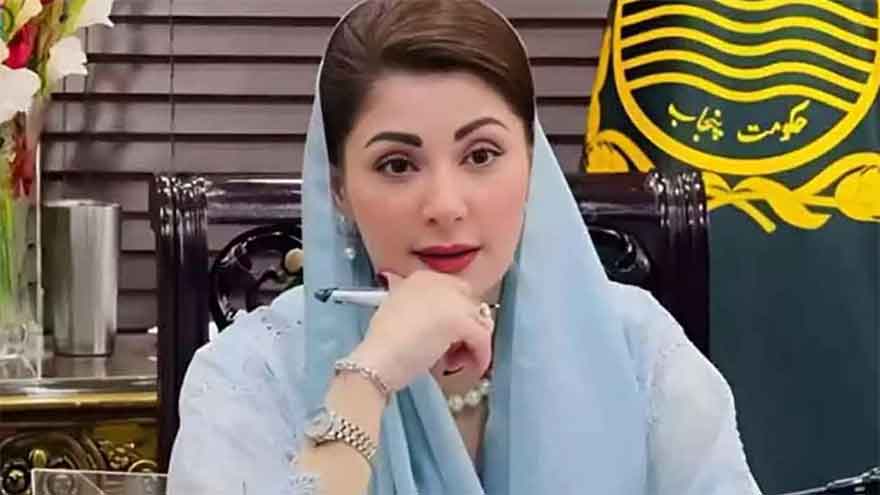
Punjab Chief Minister Maryam Nawaz approved the policy based on recommendations from the provincial Home Department.
The policy states that incentives will only be given to responsible, law-abiding scholars, while those spreading hate will be completely barred from receiving any government privileges.
The Home Department said the incentive scheme aims to promote peace, harmony, and national unity. Any cleric found violating the law or spreading hate will be immediately removed from the official list.
An initial screening, based on security and intelligence reports, cleared 66,000 mosque imams in the province as fully compliant with legal requirements.
The department confirmed that those who obtained the necessary NOCs have shown no anti-state activity and are considered fully law-abiding.
The government emphasized that monitoring and strict scrutiny of the incentive list will continue, and anyone threatening public peace will not receive state support.
While the policy enforces strict oversight, religious activities will continue freely within the boundaries of the law.
Punjab Home Secretary Ahmad Javed Qazi said the government will allow no room for anti-state narratives and instructions for policy implementation have been issued at the district level.
