


Scientists developing 'self-driving' device that helps patients recover from heart attacks
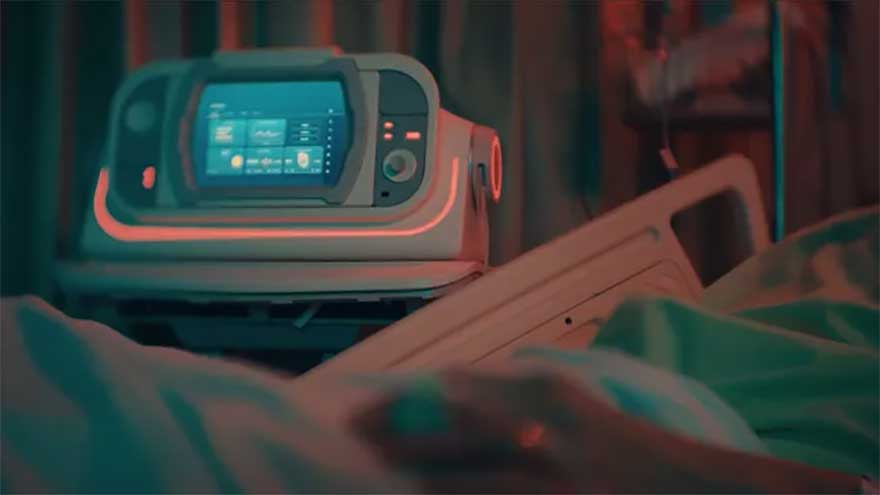
The device has been tested in animal experiments but not in human patients yet.

(Web Desk) - Hospitals may soon be able to rely on a "self-driving" machine to help patients recover from heart attacks.
This machine would deliver treatments to the patient, collect data on how their body responds, and then adjust their medications to stabilize the patient within parameters preset by their doctor.
This is the vision for the Autonomous Closed-Loop Intervention System (ACIS), a device being developed by scientists at NTT Research, an arm of global technology company NTT.
The device has been tested in animal experiments but not in human patients yet.
The researchers' eventual goal is to allow the heart to rest and minimize its oxygen use in that critical recovery window after a patient experiences a cardiac emergency.
The jobs that would be handled by ACIS are usually done by medical providers — but the idea is that the device could standardize and optimize the process to deliver better outcomes while relieving strain on doctors' already-limited resources.
"We think that this system will outperform the standard of care," said Dr. Joe Alexander, director of NTT Research's Medical and Health Informatics (MEI) lab.
ACIS stemmed from a larger effort spearheaded by the MEI Lab known as the Bio Digital Twin program. Its aim is to construct advanced virtual models of organ systems that can be personalized with an individual patient's data, providing a detailed and dynamic representation of their medical status and a testable model for developing treatment plans.
