


Government to sell 24 state-owned enterprises, merge 39 ministries: finance minister
Business
The federal government has decided to sell 24 state enterprises and merge 39 ministries to cut costs and improve efficiency.

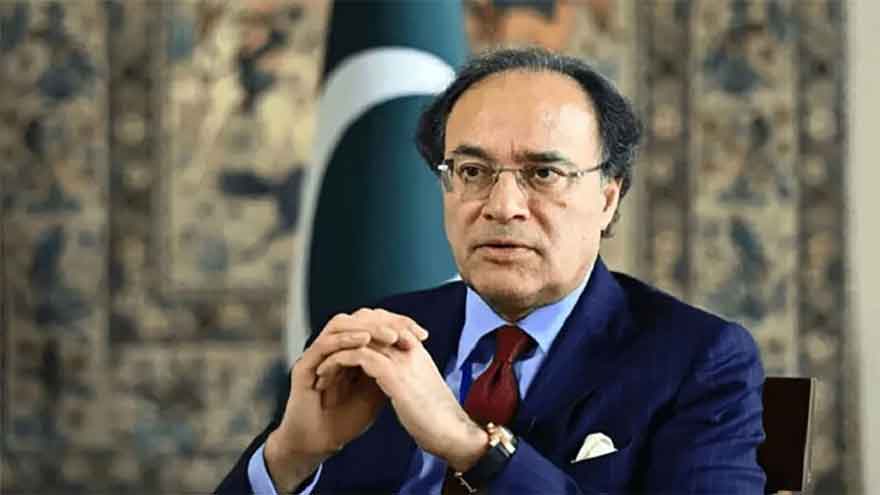
KARACHI (Dunya News) — Federal Finance Minister Muhammad Aurangzeb has announced that the government has decided to privatize 24 state-owned enterprises (SOEs) and merge 39 ministries as part of a major restructuring plan to “right-size” the federal setup and boost economic efficiency.
Speaking at the 9th edition of The Future Summit, the minister said the government is moving full steam ahead with the privatization agenda, aiming to complete PIA’s privatization before the end of this year.
He added that the First Women Bank’s privatization has already been finalized, with investors expected to bring multi-million dollar investments.
Aurangzeb said the private sector must lead Pakistan’s economic revival, stressing that production-driven and sustainable growth is the only way forward. “The government’s job is to create an enabling ecosystem for growth, especially in AI-driven and digital sectors,” he noted.
He highlighted that Pakistan ranks third among the world’s largest freelancing nations, and the government plans to turn the country into an export hub.
He emphasized that structural reforms and digitization are crucial to ensure transparency and sustainable growth.
The minister shared that corporate profits have increased by 9%, and Google is exploring ways to turn Pakistan into an export hub.
He also mentioned that foreign companies have declared Pakistan a promising destination for business and investment, while Egypt has shown interest in learning from FBR’s reform model.
On the administrative side, Aurangzeb said 70% of the merger work of ministries has already been completed, and government employees will be given private-sector-level packages. Pension reforms, he added, are also part of the reform agenda.
He underlined the need to address population growth and climate change to ensure long-term stability.
“Funds are available to tackle climate challenges — we just need to use them wisely,” he said.
Aurangzeb concluded that “macroeconomic stability is not the end goal but a stepping stone” toward restoring investor confidence and creating jobs.
