Summary Trade between Pakistan and Afghanistan remains suspended for the seventh day as the Torkham border closure leads to food shortages, rising prices, and spoilage of goods.
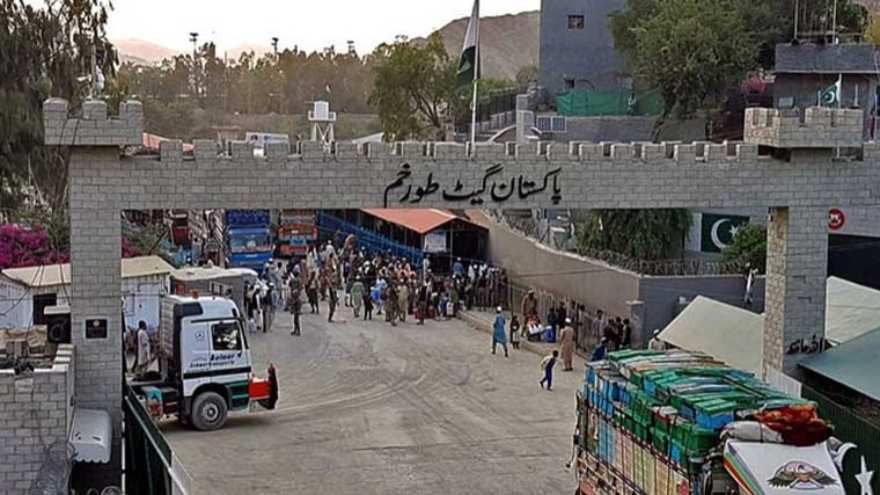
PESHAWAR (Dunya News) – The Torkham border crossing between Pakistan and Afghanistan has remained closed for the seventh consecutive day, bringing all bilateral trade and pedestrian movement to a complete standstill.
The closure, prompted by escalating border tensions, has caused severe disruption to the flow of goods and people between the two neighbouring countries.
Long queues of vehicles have piled up along the Torkham Highway, stretching for kilometres, as transporters wait for clearance to cross. Many of the trucks are carrying perishable food items that have begun to spoil due to prolonged delays in scorching temperatures. Traders have expressed alarm that if the situation continues, significant quantities of their stock may be lost, leading to further financial strain.
According to sources, the week-long border closure has already led to a sharp rise in the prices of essential food items on both sides. The disruption in the movement of fruit, vegetables, and other commodities has severely affected local markets, where supply shortages are now being felt. Residents in the border regions are facing particular difficulties, as the flow of daily supplies has nearly halted.
The Torkham route is one of the busiest trade corridors between Pakistan and Afghanistan, handling thousands of tonnes of goods every week. Its closure has therefore not only impacted local economies but also hindered broader regional trade activities dependent on this vital crossing.
Merchants and transporters from both countries have urged their respective governments to engage in meaningful dialogue to resolve the standoff. They stressed that continued tensions at the border serve the interests of neither nation and that stability is essential for trade and livelihoods.
Calls for reopening the border have grown stronger as both sides experience economic losses and mounting frustration. Officials, however, have yet to confirm when the crossing will reopen, leaving hundreds of stranded traders and drivers waiting for a resolution. Beyond the economic toll, the closure has also disrupted the daily cross-border movement of workers, patients, and families who depend on the route for essential travel.