Summary Around 9,600 of those deaths were recorded in one week in late June when Germany baked in temperatures of over 40 degrees
FRANKFURT (AFP) - Germany registered a record of around 14,000 heat-related deaths this summer as Europe struggled through a series of punishing heatwaves, official data showed on Thursday.
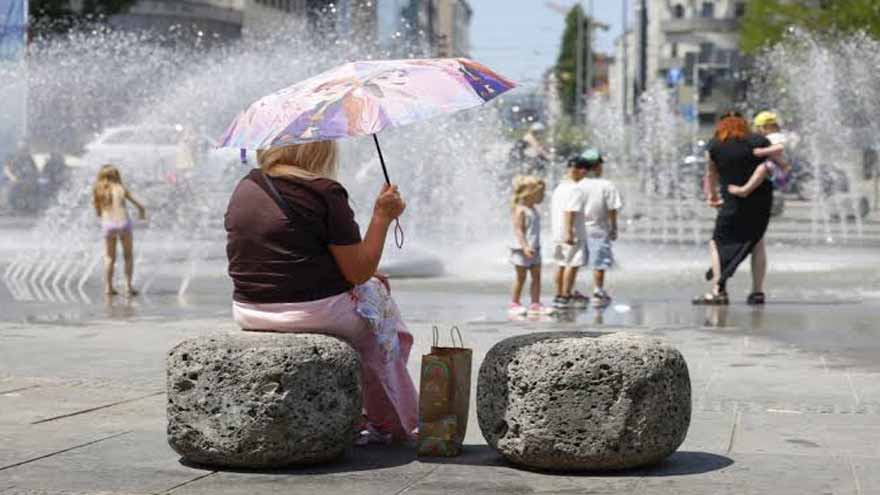
Around 9,600 of those deaths were recorded in one week in late June when Germany baked in temperatures of over 40C, according to the Robert Koch Institute. The heatwaves and drought have fuelled a historically hot summer in Europe, contributing to a spike in heat-related mortality in the worst-hit countries.
Spain’s public health institute registered nearly 4,500 heat-related deaths since June 1, figures showed Thursday. French health authorities said they had seen more than 7,300 excess deaths over the same period. In Germany, the largest share of heat-related deaths occurred in the over-75 age group, the public health authority said in a statement.
“In some cases — such as heatstroke — exposure to heat leads directly to death, whereas in most instances, death results from a combination of heat exposure and pre-existing medical conditions,” said its report.
“Consequently, heat is not usually listed as the underlying cause of death on the death certificate; instead, statistical methods must be employed to estimate the extent of heat-related deaths.” The institute said it has collected such heat mortality data for the past decade and that the previous record was 8,900 heat-related deaths in 2018. A separate report by a medical publication had estimated 10,000 heat deaths in 1994.
In some years, heat deaths had dropped below 2,000, said the report, adding that “these differences can be attributed to the varying severity of the heatwaves”.
This summer, heat and drought have battered Europe’s biggest economy, also fuelling wildfires, reducing crop yields and dropping water levels in major rivers used for cargo shipping.
This week ministers from the centre-left Social Democrats, junior coalition partners to Chancellor Friedrich Merz’s conservatives, said Berlin must enshrine the need for “climate adaptation and nature conservation” in the German constitution, known as the Basic Law.