Summary He added that the company had also removed more than 22 million videos in Pakistan for violating its Community Guidelines during the same period.
ISLAMABAD (Web Desk) - For social media platforms, keeping children off services they are too young to use is increasingly difficult when signing up can be as simple as entering a different date of birth.
TikTok says it is trying to close that gap through a mix of technology, user reports and other signals, helping it identify and remove about 25 million accounts globally in the first quarter of 2026 that it suspected belonged to children under 13.
TikTok does not currently share its user data with the media. However, the platform had 79.9 million users aged 18 and above in Pakistan in late 2025, according to DataReportal, an online platform that provides reports and statistics on global social media and digital trends.
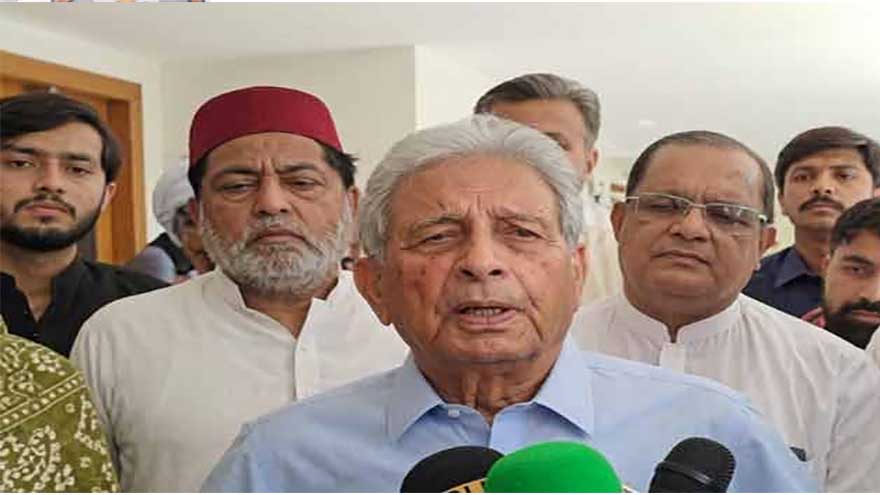
Speaking to media, TikTok Regional Trust and Safety Manager Muhammad Usman Mahmood said the company had removed more than 86 million fake accounts globally in the first quarter of this year.
“We removed more than 25 million accounts in addition to that,” he said. “These were accounts suspected of belonging to users under the age of 13, in line with our age requirements.”
He added that the company had also removed more than 22 million videos in Pakistan for violating its Community Guidelines during the same period.
“Of those, 99.6 percent were detected and removed proactively, while 95.5 percent were removed within the first 24 hours,” he said. “Protecting young people remains one of our highest priorities.”
The two percentages measure different aspects of enforcement: the first refers to content TikTok says it identified before users reported it, while the second measures how quickly violating content was removed.
But identifying an underage user is not always as straightforward as checking the birth date entered when an account is created.
“Age assurance goes beyond the date of birth that someone enters at sign-up,” Mahmood explained. “We use a combination of technology, user reports and other signals that may indicate that an account belongs to someone who is below the minimum age requirement. These signals are reviewed carefully before enforcement action is taken.”
He said teenagers in Pakistan faced a broader set of online risks, ranging from cyberbullying and unwanted contact to scams, misinformation, inappropriate content and unhealthy screen-time habits.
Mahmood said platforms alone could not determine how safely young people navigate the online world.
“We believe keeping young people safe online is a shared responsibility between platforms, parents, educators, policymakers and the wider community,” he added.