Summary Iran rejects US media claims about refusing Islamabad talks, thanks Pakistan for diplomatic efforts as regional tensions intensify.
ISLAMABAD/TEHRAN (Dunya News) – Iran has firmly rejected reports circulating in Western media suggesting it declined participation in talks in Islamabad, instead reaffirming its willingness to engage and expressing gratitude to Pakistan for its diplomatic initiatives.
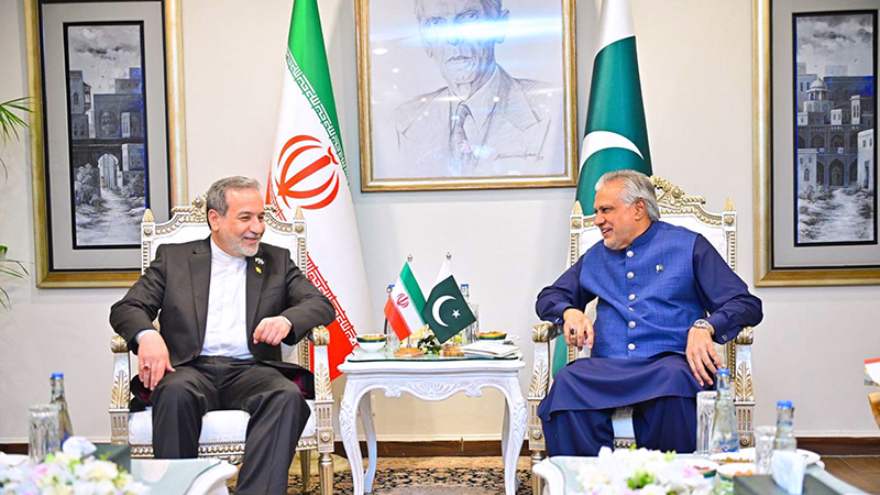
Iranian Foreign Minister Seyed Abbas Araghchi issued a statement on social media platform X, directly addressing what he described as misinformation regarding Tehran’s stance on potential negotiations. He clarified that Iran had “never refused to go to Islamabad” and remained appreciative of Pakistan’s efforts to mediate during the ongoing conflict.
In his message, Araghchi emphasised that Iran’s priority lies in securing terms that ensure a complete and lasting end to what he called an “illegal war imposed” on the country. He reiterated that Tehran remains open to any solution that guarantees a durable cessation of hostilities.
Iran's position is being misrepresented by U.S. media.
— Seyed Abbas Araghchi (@araghchi) April 4, 2026
We are deeply grateful to Pakistan for its efforts and have never refused to go to Islamabad. What we care about are the terms of a conclusive and lasting END to the illegal war that is imposed on us.
پاکستان زنده باد pic.twitter.com/AUjBQxOFyA
The Iranian minister also acknowledged Pakistan’s consistent support, praising its diplomatic outreach and solidarity. He concluded his message with a slogan in Urdu, voicing support for Pakistan and thanking the country for its role.
Responding to the clarification, Pakistan’s Deputy Prime Minister and Foreign Minister Ishaq Dar publicly welcomed the statement, expressing appreciation for what he described as a brotherly gesture and reaffirming ties between the two nations.
Truly appreciate your clarification, my Dear Brother @Araghchi.https://t.co/reptX11LQa
— Ishaq Dar (@MIshaqDar50) April 4, 2026
The diplomatic exchange comes against the backdrop of heightened regional tensions and conflicting narratives surrounding efforts to initiate dialogue. A report by The Wall Street Journal had earlier suggested that Iran was not prepared to meet US officials in Islamabad and that Pakistan-led mediation had reached a deadlock. Tehran’s latest statement appears aimed at countering those claims and reasserting its position.
Meanwhile, developments on the ground continue to underscore the volatility of the situation. Iranian media reported that a projectile struck near the perimeter of the Bushehr nuclear power plant, killing one person. Authorities confirmed that the main facility remained undamaged and operations continued uninterrupted.
Araghchi, in a separate post, regretted repeated strikes on Iran’s Bushehr facility, warning of potential radioactive fallout that could impact Gulf capitals. He also pointed to attacks on Iran’s petrochemical infrastructure, suggesting broader strategic objectives behind the strikes.
Remember the Western outrage about hostilities near Zaporizhzhia Nuclear Power Plant in Ukraine?
— Seyed Abbas Araghchi (@araghchi) April 4, 2026
Israel-U.S. have bombed our Bushehr plant four times now. Radioactive fallout will end life in GCC capitals, not Tehran.
Attacks on our petrochemicals also convey real objectives. pic.twitter.com/onGCgkJFjt
The conflict, now entering its sixth week, has intensified with aerial engagements and cross-border strikes. Iranian forces are reportedly searching for a missing US pilot following the downing of two American aircraft, including an F-15E fighter jet. US officials have confirmed incidents involving aircraft being hit by Iranian fire, raising concerns over the risks faced by military operations in the region.
The situation has further escalated with reports of strikes on petrochemical zones in southwestern Iran, leaving several people injured. Additional air raids targeted logistical facilities, including warehouses, as both sides continue to exchange fire.
According to US Central Command, the conflict has resulted in the deaths of 13 American service members, with more than 300 others wounded. The ongoing hostilities have also triggered broader geopolitical and economic repercussions, including a surge in global oil prices and growing concerns among international stakeholders.
Regional spillover risks remain evident. Debris from aerial interceptions was reported to have struck buildings in Dubai, including a facility linked to US technology company Oracle, though no injuries were recorded. Elsewhere, infrastructure in Kuwait has also been targeted, highlighting the vulnerability of Gulf states amid the widening conflict.
As diplomatic channels remain uncertain, Iran’s latest remarks signal an attempt to keep negotiation pathways open, while firmly rejecting narratives that portray it as unwilling to engage.