Summary Although physical classes will remain suspended, teaching activities will continue through online classes
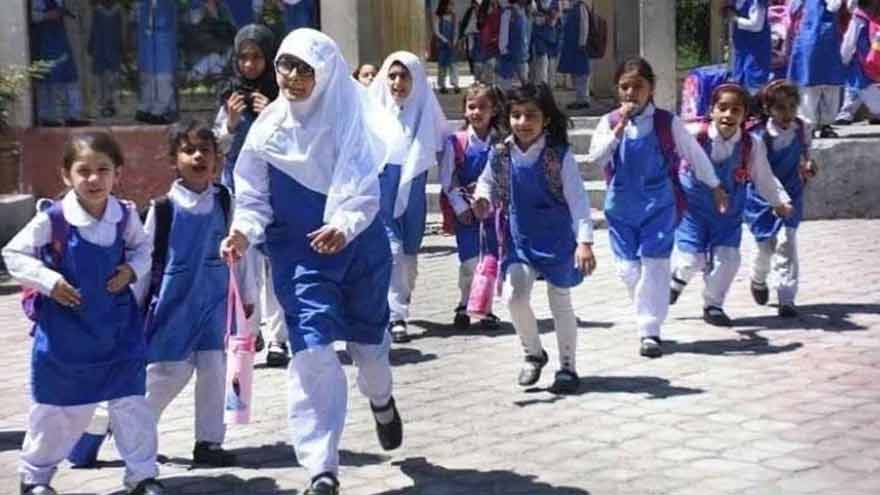
LAHORE (Dunya News) - Punjab’s Education Minister Rana Sikandar Hayat has announced that educational institutions across Punjab will remain closed until March 31.
The minister made the announcement through a post on X, stating that all educational institutions in the province have been shifted to online mode in light of the ongoing economic crisis.
According to the minister, Grade 8 examinations will be held according to the existing schedule, and the school-based assessment process will also continue without disruption.
He added that board examinations will proceed as planned.
All Universities,colleges & Schools Will Remain Closed.
— Rana Sikandar Hayat (@RanaSikandarH) March 9, 2026
All Exams/Assesments Will Continue as Per schedule.
NOTE=
Online Classes are allowed
Although physical classes will remain suspended, teaching activities will continue through online classes.
Meanwhile, educational institutions across the province will remain closed from March 10 to March 31.
Earlier, Punjab Chief Minister Maryam Nawaz has announced a series of extraordinary administrative measures to cope with the economic pressures arising from a petroleum crisis linked to the ongoing regional conflict.
Speaking at a high-level meeting in Lahore, the chief minister directed the immediate suspension of official fuel allocations for provincial ministers until the petroleum shortage subsides.
Balochistan shuts educational institutions until March 23
In addition, petrol and diesel allowances for government officers’ vehicles have been reduced by 50 percent with immediate effect, according to officials.
The decisions are part of a broader effort by the Punjab government to conserve fuel resources and maintain administrative operations during the crisis.
The chief minister also imposed strict limits on official protocol convoys that typically accompany ministers and senior bureaucrats.
Under the new directive, only one essential security vehicle will be permitted alongside provincial ministers and high-ranking government officials.
Officials said the move is aimed at reducing fuel consumption while ensuring that essential security arrangements remain intact.