Summary PM Shehbaz Sharif rejects proposed petrol and diesel hikes, offering relief to citizens amid rising global fuel prices.
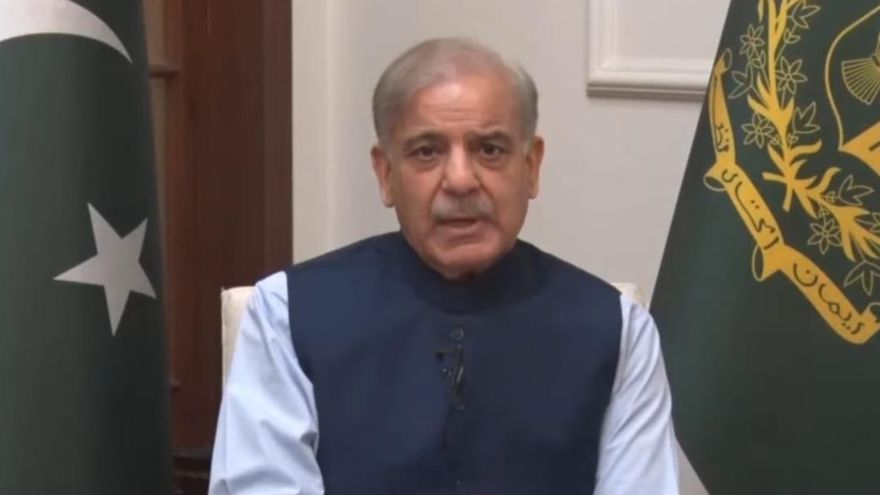
ISLAMABAD (Dunya News) – Prime Minister Shehbaz Sharif on Friday addressed the nation to update citizens on the economic situation, ongoing austerity measures, and petroleum product prices amid the escalating Middle East conflict.
Rejecting recommendations to raise fuel prices, the prime minister announced that petrol and diesel rates would remain unchanged. Authorities had proposed an increase of Rs50 per litre for petrol and Rs74 per litre for diesel.
Shehbaz Sharif emphasised that this decision prioritises national interest and public relief, providing significant support to citizens already struggling under inflationary pressures.
“We will bear this burden ourselves, but we will not place it on the people,” the prime minister said, underlining his commitment to shielding the public from the ripple effects of rising global fuel prices. This move comes as global markets witness a surge in petroleum costs, impacting economies worldwide.
براہِ راست : وزیرِ اعظم محمد شہباز شریف کا قوم سے خطاب https://t.co/RU77o1K87W
— Government of Pakistan (@GovtofPakistan) March 20, 2026
The decision is being hailed as a major relief for the population ahead of Eid, offering respite during a period of rising living costs and economic uncertainty. By rejecting the proposed fuel price hike, the government has signalled a focus on citizen welfare while continuing measures to manage the national economy effectively.
PM Shehbaz also reiterated the government’s commitment to implementing austerity measures across state departments to balance the economic burden without affecting the public directly. These steps include tighter fiscal controls and prioritising expenditure on essential services and public welfare programmes.
The announcement has generated widespread response, with citizens welcoming the government’s decision to absorb economic pressures instead of passing them onto consumers. Analysts note that this approach aims to stabilise domestic markets and maintain public confidence amid a volatile international energy landscape.