Summary Oil prices rose over 2% as the U.S.–Israel war with Iran disrupted the Strait of Hormuz, raising supply fears, boosting energy costs and increasing global inflation concerns
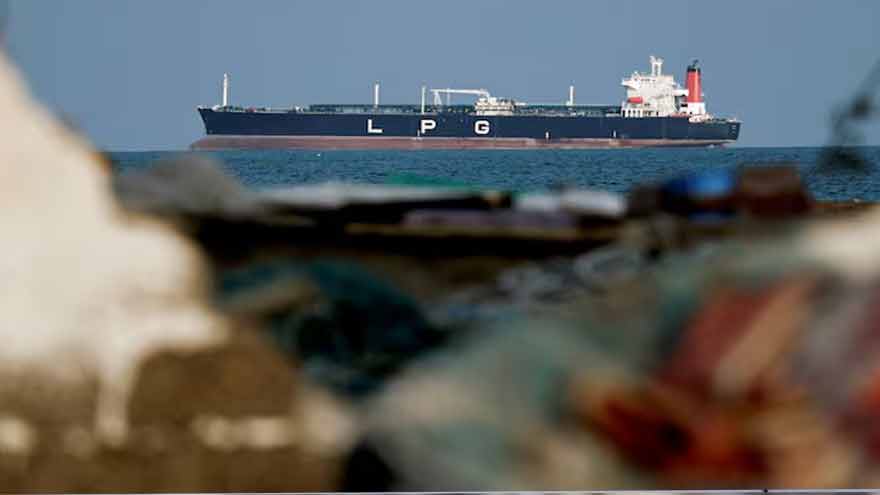
(Reuters) - Oil prices rose more than 2% in early trade on Tuesday, reversing some of the previous session's losses, on worries about supply with the Strait of Hormuz mostly shut and U.S. allies rebuffing calls to send warships to help tankers move through the vital waterway.
Brent futures jumped $2.48, or 2.5%, to $102.69 a barrel by 0058 GMT, while U.S. West Texas Intermediate crude gained $2.42, or 2.6%, to $95.92.
In the previous session, Brent futures settled 2.8% lower while U.S. West Texas Intermediate (WTI) crude slid 5.3% after some vessels sailed through the critical waterway.
The Strait of Hormuz - a chokepoint for about 20% of the world's oil and liquefied natural gas trade - has been largely disrupted by the U.S.-Israeli war on Iran, now in its third week, raising concerns about supply shortages, higher energy costs and rising inflation.
Several U.S. allies rebuffed Donald Trump's call on Monday to send warships to escort shipping through the Strait of Hormuz, drawing criticism from the U.S. president, who accused Western partners of ingratitude after decades of support.
"The risks remain stark: It only takes one Iranian militia to fire a missile or plant a mine on a passing tanker to reignite the entire situation," IG market analyst Tony Sycamore said in a note.
Iran has asked India to release three tankers seized in February as part of talks seeking the safe passage of Indian-flagged or India-bound vessels out of the Gulf via the Strait of Hormuz, three sources with knowledge of the matter told Reuters.
The effective closure of the strait has forced the United Arab Emirates, the Organization of the Petroleum Exporting Countries' third-largest producer, to shut in production, reducing its output by more than half, two sources told Reuters.
To curb rising energy costs, the head of the International Energy Agency suggested member countries could release more oil, in addition to the 400 million barrels they have already agreed to draw from strategic reserves.
Some banks raised their longer-term price outlooks, reflecting a potentially prolonged supply disruption.
Bank of America lifted its 2026 Brent forecast to $77.50 a barrel from $61, while Standard Chartered raised its projection to $85.50 from $70.
BofA said in a note its updated view reflects two equally likely paths: a quick resolution that restores flows by April and puts Brent near $70, or a longer disruption spilling into the second quarter that lifts prices toward $85.
Israel said it has detailed plans for at least three more weeks of war as its military struck sites across Iran overnight.